Frustration is a feeling. Continuing is a skill.
When Frustration Takes Over, Your Child Needs More Than “Calm Down”
Help your child learn to pause, recover, and keep going—one structured challenge at a time.
Watch the 4-Minute Video Experience a Tokon Class—Request a Free Trial
Sensei Marcus Hinschberger explains three ways Tokon helps students practice responding to frustration.
You Know the Moment
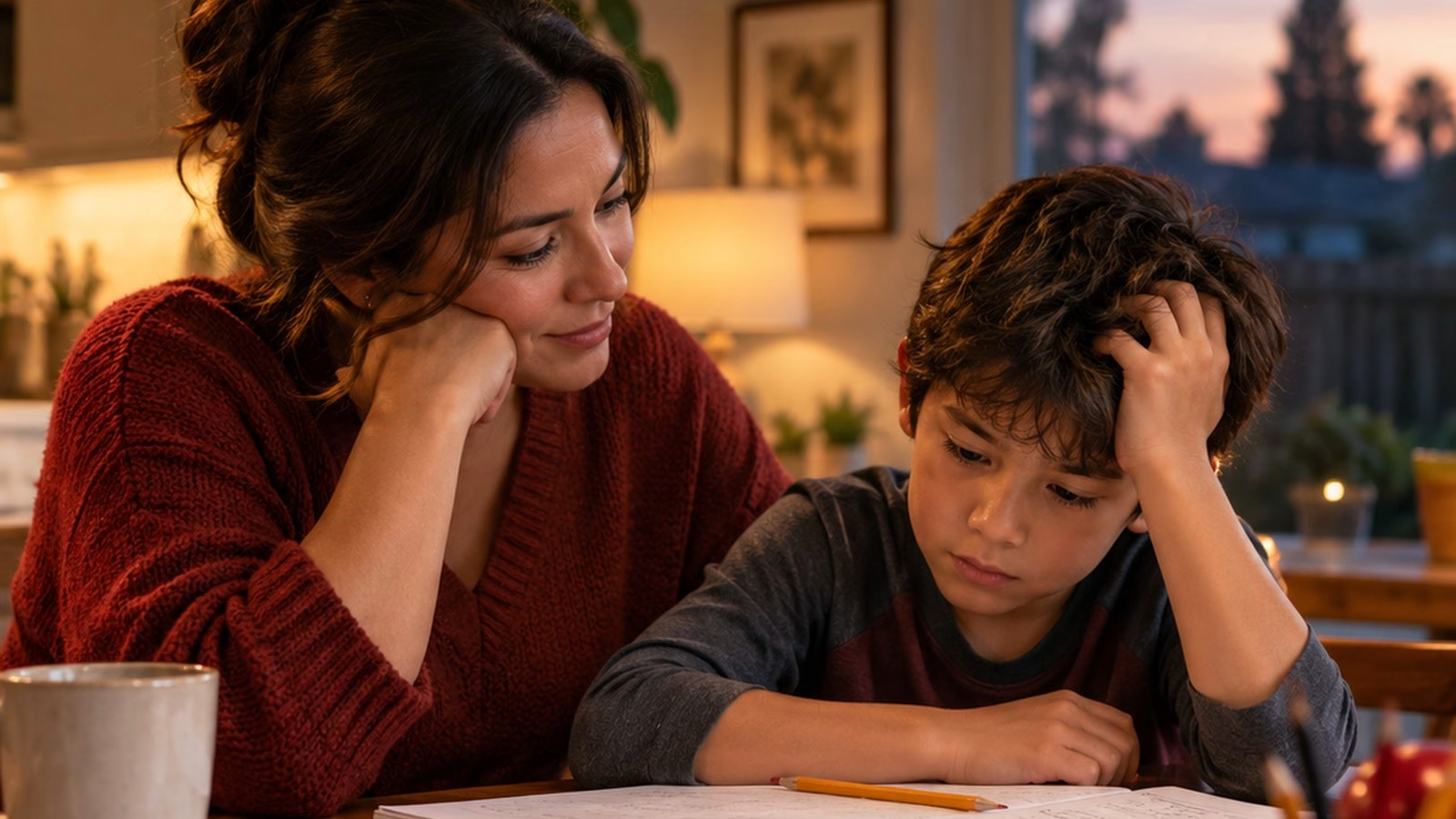
A homework mistake. A lost game. A correction they did not expect. Suddenly there are tears, anger, shutdown, refusal, or “I can’t.” You try to help, but every extra word seems to add more pressure.
You are not asking for perfect composure. You want your child to feel frustration without letting that feeling decide what happens next. You want them to recover, take the next step, and discover: I can be frustrated and still continue.
Frustration Tolerance Can Be Practiced
Frustration tolerance does not mean suppressing emotion or pretending something is easy. It is the growing ability to remain engaged, regain control, and choose a useful next response when progress feels difficult.
That ability is strengthened through clear language, predictable resets, manageable challenges, and repeated opportunities to return after a difficult moment.
Three Ways to Build Frustration Tolerance
1. Teach the Response Before the Hard Moment
Give your child simple language they can use: “This is hard,” “I need a reset,” or “I can try one more step.” Naming the experience can make the next action clearer.
2. Use Structured, Manageable Challenges
The goal is not to remove every struggle. It is to offer difficulty in a setting with clear expectations, calm coaching, and a next step that feels possible.
3. Practice Returning, Not Being Perfect
Progress happens when a child pauses, resets, and re-enters the task. Praise the recovery specifically: “You were frustrated, and you continued.”
What Parents Can Do in the Moment
- Lower the temperature. Use fewer words and a steady voice.
- Name what you see. “That mistake was frustrating.”
- Offer one useful reset. A breath, a short pause, a stance change, or a sip of water.
- Make the next step small and specific. One problem. One movement. One attempt.
- Close the loop. Notice the return, not only the result.
This approach does not reward giving up, and it does not shame a child for having a strong feeling. It teaches a repeatable path back into action.
Why Traditional Karate Creates a Powerful Practice Ground
In a well-taught karate class, challenge is expected—and supported. Students watch, attempt, receive feedback, reset, and try again. They learn that correction is information, effort has a purpose, and a difficult moment is not the end of the story.
At Tokon Martial Arts in Sacramento, students are not simply kept busy. They are coached through a structured path that combines traditional Shotokan karate, clear standards, personal attention, and earned progress. The student remains the hero of the journey; the instructor provides the structure, guidance, and honest feedback that help them move forward.
Karate is what we do. Human development is what we teach.™
Learn more about Tokon’s instructors, our children’s karate program, and the class schedule.
Let Your Child Experience One Structured Challenge
A free trial class lets your family see how your child responds to Tokon’s instructors, standards, and atmosphere before making a larger commitment. Tokon Martial Arts is located at 1920 Terracina Drive, Suite 200, Sacramento, CA 95834.
Karate is not medical, psychological, behavioral, or developmental treatment, and individual experiences differ. Tokon provides structured martial-arts instruction and repeated opportunities to practice composure, perseverance, self-control, and follow-through.
Frequently Asked Questions
What is frustration tolerance?
Frustration tolerance is the ability to stay engaged, recover, and choose a useful response when something feels difficult, disappointing, or slower than expected.
How can I help my child during a frustrating moment?
Use fewer words, name the feeling without judgment, offer one simple reset, and make the next action small and specific. When your child returns to the task, notice that recovery.
Can karate help a child practice frustration tolerance?
A structured karate class can provide repeated, supervised opportunities to meet difficulty, receive feedback, reset, and try again. It is educational skill practice, not healthcare or therapy.
Does my child need experience before trying a class?
No. A trial class is designed to help your family experience the instruction, atmosphere, and expectations before deciding whether Tokon is the right fit.
Where is Tokon Martial Arts located?
Tokon Martial Arts is in Natomas at 1920 Terracina Drive, Suite 200, Sacramento, California 95834.