
Instructor paper #01 · Marcus Hinschberger
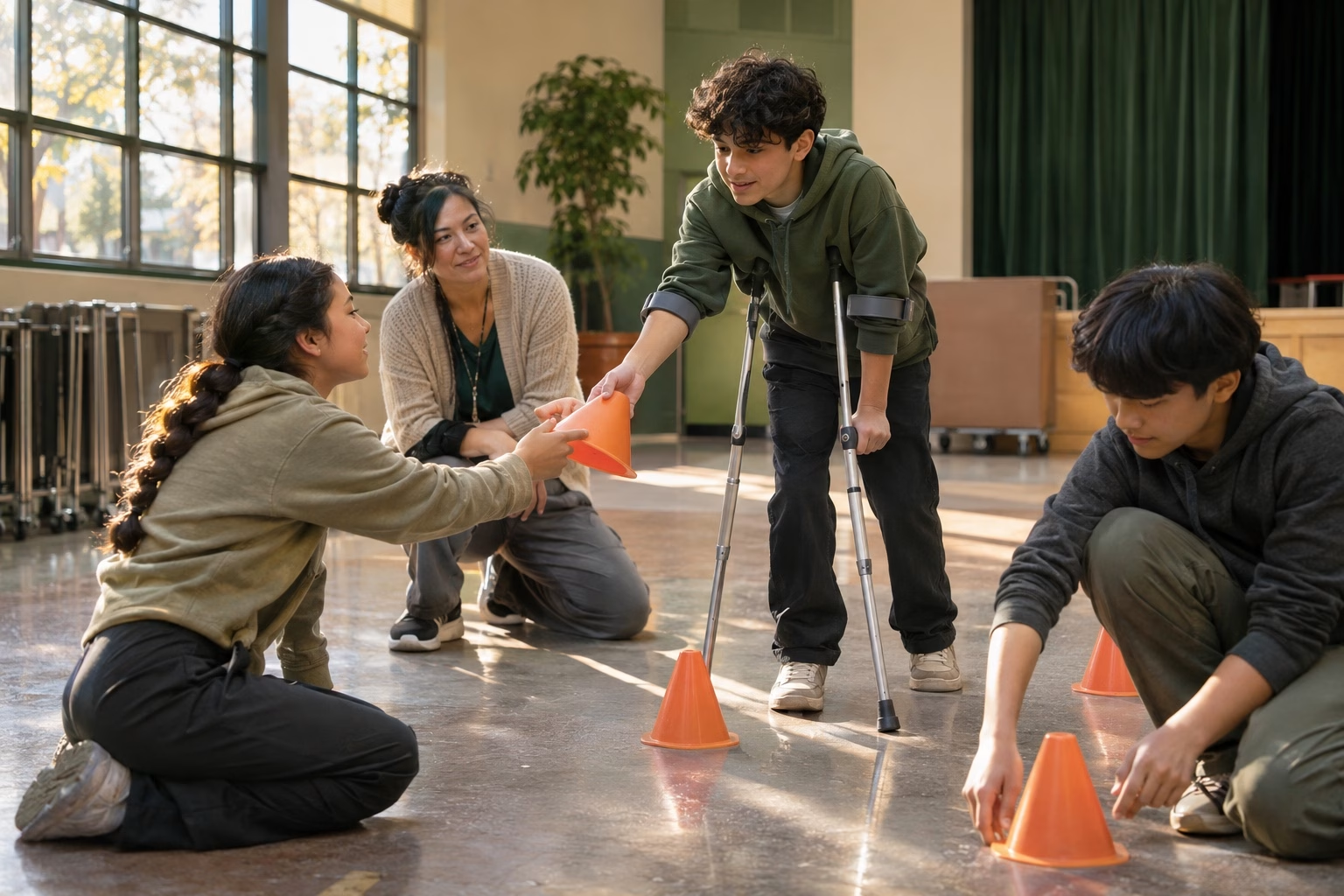
What if the same lesson gave students a chance to move, keep their judgment under pressure, help a classmate, and get better at something they used to give up on?
Schools face all four challenges. So do workplaces, where people have to manage pressure, learn from feedback, and help new colleagues get up to speed. What would change if students got years of guided practice in those habits? I organize that practice into four quadrants.
1. Self-defense starts with judgment
A student feels scared or angry and has a few seconds to decide what to do. We can teach them to catch that feeling early, speak up, get to safety, or ask an adult for help. Knowing they have choices can give them the confidence to use them. Talking through who could get hurt and what each person would have to live with makes the consequences of violence real. Then students can rehearse safer choices. Well-designed school violence-prevention programs have reduced aggressive and violent behavior. Hahn and colleagues, school-based prevention review
2. Health involves body, mind, and spirit
In one activity, a student can work on balance and coordination, pay attention to a changing task, and find the courage to try again after a mistake. That last part is what I mean by spirit here. It includes purpose, perseverance, and the confidence to take on a challenge. Give students ways to participate at their own level and a chance to notice progress in all three areas.
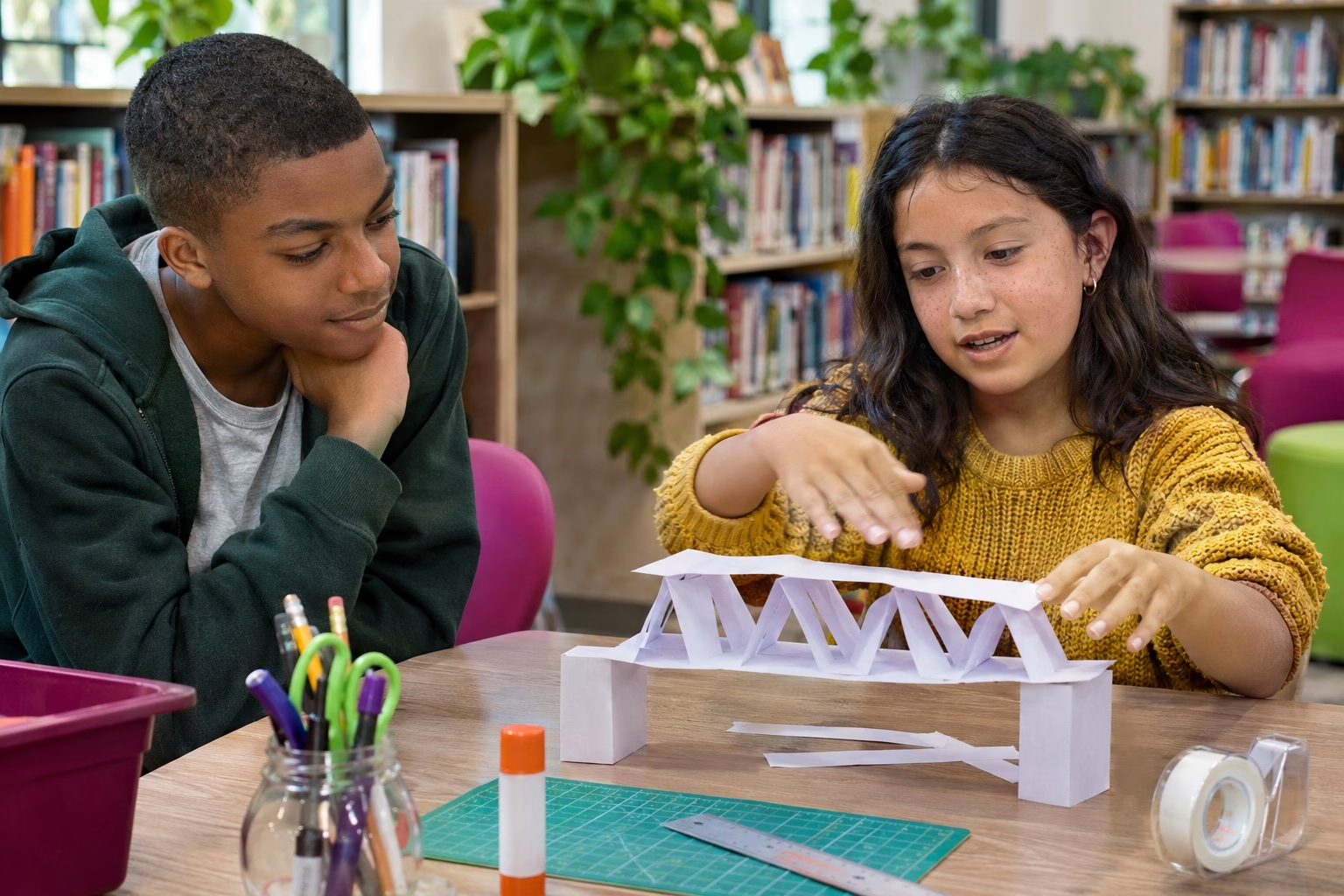
3. Followership is where leadership begins
Good followership means listening closely, asking questions, accepting feedback, and speaking up when something feels unsafe. Over years, adults can guide students from taking direction to coaching a peer and eventually mentoring someone younger. A student who learns to teach without taking over has practiced patience, judgment, and responsibility for someone else’s learning. Those are habits a new employee or a team leader can use on the first day.
4. Self-cultivation means choosing to keep growing
What will a young person work on when nobody is checking? Give students a goal they choose, time to practice, and a chance to see what changed. A student who usually walks away when frustrated might decide to ask one question and make another attempt. Over time, the aim is for them to notice what needs work and want to do something about it.
Where traditional Karate-Do fits
I teach traditional Karate-Do, and it gives me a way to put all four quadrants into one lesson. A movement sequence asks for balance and concentration. Partner work asks for restraint and care. A senior student helps a beginner. Each student leaves with something specific to improve. The instructor has to plan and teach those outcomes deliberately.
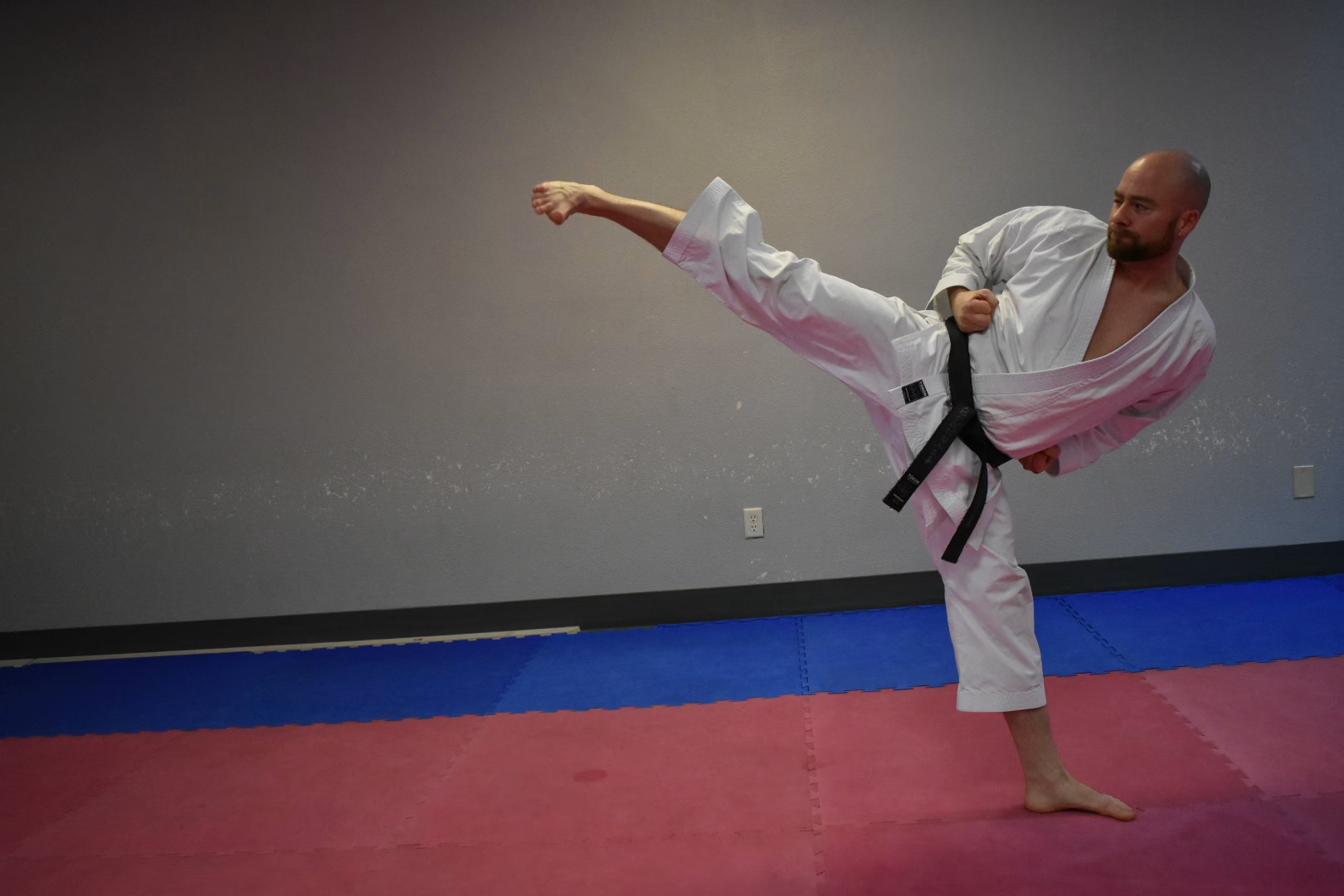
Japan’s junior-high physical education curriculum includes budō and explicitly teaches respect for practice partners and safe participation. A yearlong randomized study in European schools found small improvements in fitness, balance, and reported conduct problems with a school Karate program. Both give educators concrete ideas to examine. Japan’s junior-high PE curriculum · Pinto-Escalona and colleagues, school trial
I’d start in Natomas by asking educators to help define what a small, accessible, noncontact pilot should measure. Can students identify safer choices in a conflict scenario? Do more students participate, help a peer, or stick with a goal they chose? If you work with young people in the Sacramento area, I’d like to hear what would make a program like this worth testing in your school.
Four ways to start a school conversation
- How to make healthier classrooms
- Can schools teach students to stay in control when conflict starts?
- What if students learn to lead by teaching?
- How do we teach students to want to keep improving?
Watch the ISKF Sacramento demonstration at the 2026 Nationals.
Download the original instructor paper, “What Is Karate?” (PDF)
Marcus Hinschberger, 6th Dan, is head instructor of ISKF Sacramento / Tokon Martial Arts. Adapted from his ISKF Instructor Program paper What Is Karate? The school scenes are illustrations.